
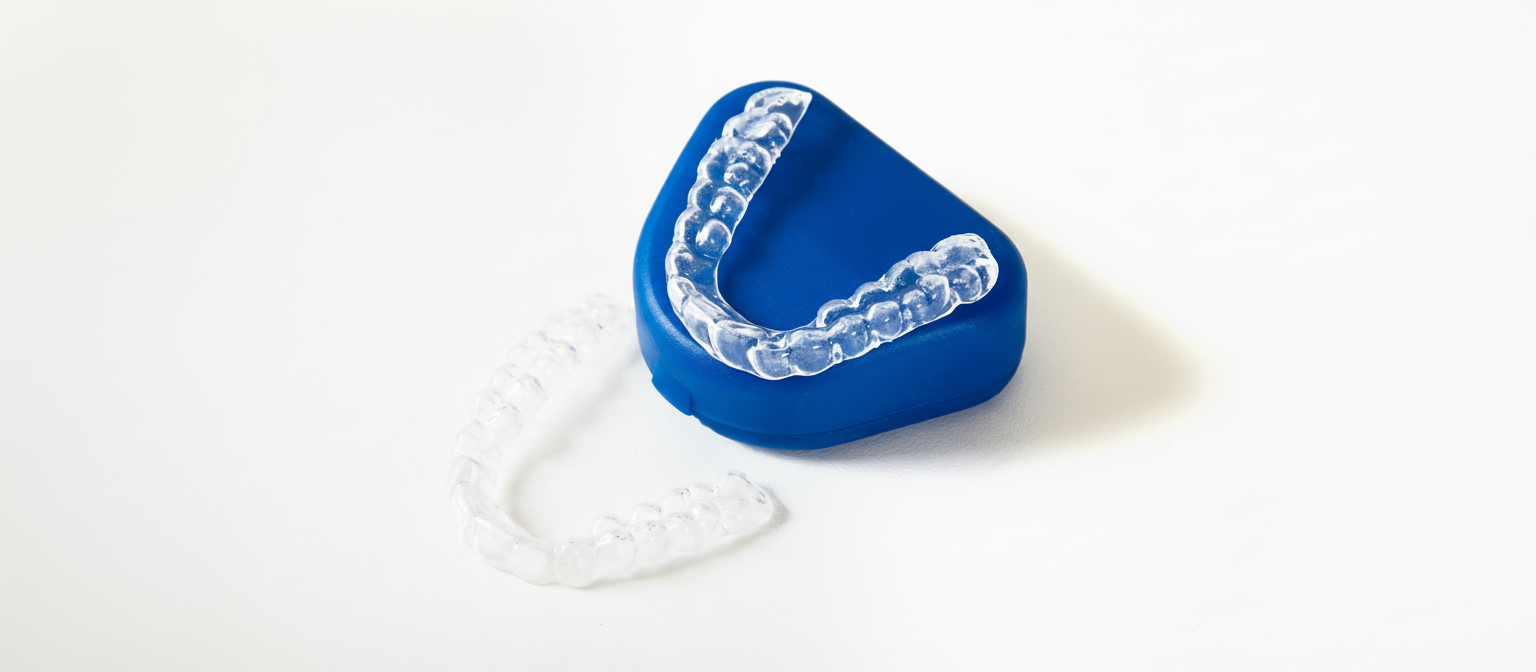
Invisalign and other clear aligner treatments can be a strong source of new adult patients for a general or orthodontic practice. Yet many practices that offer aligners see only a trickle of enquiries. The demand is there. The problem is usually that the practice is hard to find, hard to trust online, or slow to follow up.
This guide covers who aligner patients are, what they need to see before they book, which marketing channels do which job, and how to keep it all within the AHPRA advertising rules. It is written for principals and practice managers in Australia and New Zealand.
To get more Invisalign patients, build one clear, honest aligner page on your website, rank for aligner searches in your area, run tracked Google Ads for people already searching and Meta Ads for people still deciding, then make the consult easy to book and reply to every enquiry fast, including after hours. Track each enquiry through to a treatment start, and keep every ad AHPRA-compliant.
Why aligner patients behave differently
An aligner enquiry is not like a toothache. Nobody needs aligners today. The person is usually an adult who has thought about straightening their teeth for months or years, and something has finally nudged them to look into it: a wedding, a new job, a photo they did not like. That shapes how they shop.
- They compare. They look at several practices, and often at orthodontists, general dentists and online aligner companies side by side.
- They want a price range. Cost is one of the first questions. A page that hides it entirely often loses the visitor to one that explains it honestly.
- They browse visually. Instagram, Facebook and TikTok play a big part in how adults discover aligners, so your social presence is part of the decision.
- They enquire after hours. Research tends to happen in the evening, on a phone, when your front desk is closed.
- They need reassurance. Common worries are how long it takes, whether it hurts, whether people will notice, and what happens if it does not work.
Marketing that works for aligners answers all of these before the patient has to ask.
1. Build one aligner page that does the selling
Every channel below should send people to the same place: a dedicated clear aligner page on your own website. Not your homepage, and not a single paragraph on a general services page. This page does most of the persuading, so it is worth getting right first. Good dental website design treats it as a landing page with one job: booking a consult.
A strong aligner page usually covers:
- Who it suits. Plain-English guidance on the kinds of cases aligners can help with, and a clear note that suitability is confirmed at an assessment.
- The process, step by step. Consult, scan, treatment plan, wearing the aligners, check-ups and retainers afterwards.
- An honest guide to cost. A price range or a starting point, what is included, and any payment plan terms, with a note that a firm quote follows an assessment.
- Who provides the treatment. The dentist's or orthodontist's name, qualifications and experience. This matters more than a provider badge.
- Answers to common worries. Comfort, visibility, how many hours a day aligners are worn, and what happens after treatment.
- One clear next step. A booking button and a short form that work properly on a phone.
Read your aligner page on your phone tonight
Could a curious adult find the process, a guide to cost, who does the treatment and how to book within 30 seconds? If any of those are missing or buried, that page is quietly sending patients to a competitor.
2. Show up when people search for aligners nearby
Many aligner journeys start on Google with searches such as "Invisalign near me", "clear aligners cost" or "Invisalign vs braces". You want to appear in both the map results and the organic results for those searches in your area. Solid SEO for dentists covers three things here:
- Your aligner page is built to rank. Clear headings, the questions people actually ask, fast loading and good internal links from the rest of your site.
- Your Google Business Profile is complete. Aligners listed as a service, accurate hours, real photos of your practice and a steady flow of genuine reviews.
- Helpful supporting content. Short articles that answer comparison and cost questions, linking back to the main aligner page.
SEO takes months rather than weeks to build, but the visibility keeps working without paying for every click. That is why many practices run Google Ads alongside SEO while their rankings build.
3. Use Google Ads to catch people who are ready
Someone typing "Invisalign consultation" into Google is a long way down the decision path. Google Ads for dentists let you appear at the top of those searches while your organic rankings build. A few things separate campaigns that produce consults from campaigns that burn budget:
- Tight targeting. Aligner-specific keywords, a sensible radius around the practice, and negative keywords that filter out job seekers, DIY and unrelated searches.
- Ads that send people to the aligner page, not the homepage.
- Conversion tracking on calls, forms and online bookings, so you can see which searches lead to consults and which only cost money.
4. Use Meta Ads and social for people still deciding
Most adults who would consider aligners are not searching yet. They are scrolling. Meta Ads for dentists on Facebook and Instagram reach people in your area who fit the likely profile, and they work well for a considered decision like this one. Effective aligner campaigns tend to:
- Educate rather than push. Short videos that explain how aligners work, what a scan involves and what a typical day wearing them looks like.
- Introduce the people. Your dentist explaining the process in their own words builds more trust than stock imagery.
- Retarget visitors. People who viewed your aligner page but did not book can see a gentle reminder over the following weeks.
- Lead to a simple form or straight to the aligner page, with quick follow-up on every lead.
Your organic social presence matters too, because many people check a practice's Instagram before they enquire. Regular, genuine posts about your team and your practice help that first impression. Our guide to social media marketing for dentists covers what to post and how to connect it to bookings.
5. Make the consult easy to book, and answer fast
This is where many practices lose aligner patients they have already paid to attract. A person who enquires at 9pm and hears nothing until the next afternoon has often booked elsewhere, or simply cooled off. Common leaks include:
- Calls that ring out at lunchtime or after hours.
- Web forms that land in an inbox nobody checks until the next day.
- Social messages that sit unanswered for days.
- No follow-up after a consult for patients who said "I will think about it".
An AI dental receptionist can answer common aligner questions and capture or book enquiries 24/7, then pass them to your team. We cover the wider fix in how to stop losing patients to missed calls. Just as important is a simple, respectful follow-up process after the consult, because aligners are a decision many adults take time over.
6. Track enquiries through to treatment starts
Clicks and likes do not pay wages. The numbers that matter for aligners are consults booked, consults attended and treatments started, ideally broken down by channel. When you can see that Google search produced most of last quarter's starts while a particular social campaign produced enquiries that rarely booked, budget decisions become much easier. If attendance is the weak spot, our guide on how to reduce dental no-shows can help.
That full view, from ad click to booked appointment, is what our No Leakage Ads Package is built around: ads, landing pages, after-hours capture and tracking working as one system.
7. Keep every aligner ad AHPRA-compliant
Aligner marketing is highly visual and often cosmetic, which is exactly where practices can drift into non-compliant advertising. In Australia, advertising a regulated health service must follow the National Law and AHPRA's advertising guidelines. In practice that means:
- No testimonials about clinical aspects of treatment. Do not reuse patient reviews that describe results or outcomes in your ads or on your website.
- No superlatives or unverifiable claims, such as "best", "fastest" or "painless".
- No pressure offers. Avoid time-limited deals or gifts that could encourage people into treatment they do not need. If you offer a free consultation, say clearly what it includes and any conditions.
- Accurate pricing. If you show prices, make clear what is included and that a quote follows an assessment.
- Care with before-and-after photos. They must be genuine, not edited to exaggerate, and must not create unrealistic expectations.
Our guide to AHPRA advertising rules for dentists goes through each rule in more detail. It is always worth checking current AHPRA guidance, as the rules are updated from time to time.
| Channel | Best for | What to watch |
|---|---|---|
| Aligner page on your website | Turning interest into booked consults | Mobile speed, honest cost guidance, one clear call to action |
| SEO and Google Business Profile | Long-term visibility for local aligner searches | Takes months to build; needs genuine reviews and helpful content |
| Google Ads | People actively searching right now | Tight keywords, negative keywords and conversion tracking |
| Meta Ads | Adults still deciding, and retargeting | Educational creative, AHPRA-safe wording, fast lead follow-up |
| After-hours enquiry handling | Keeping the enquiries you already paid for | Response time, especially evenings and weekends |
Where to start
If you want more aligner patients and are not sure where to begin, this order works for most practices:
- Fix the aligner page first, because every other channel sends people there.
- Plug the enquiry leaks. Faster replies and after-hours cover protect the enquiries you already get.
- Turn on Google Ads for aligner searches in your area while SEO builds.
- Add Meta Ads for education and retargeting once the page and follow-up are working.
- Review monthly against consults booked and treatments started, not clicks.
The same approach works for other high-value treatments too, as our guide on how to get more dental implant patients shows. It is how we work as a dental marketing agency focused only on practices across Australia and New Zealand.
Want more aligner consults in your book?
Book a free strategy call. We will look at your aligner page, your ads and how enquiries are handled, and give you an honest view of where consults are being lost.
Book your free strategy call
Thanks, we’ve got it.
Your enquiry is on its way to the Digital Smiles team. Want to skip the wait? Lock in a time for your strategy call right now.
Prefer we reach out? No problem, we’ll be in touch within one business day.