
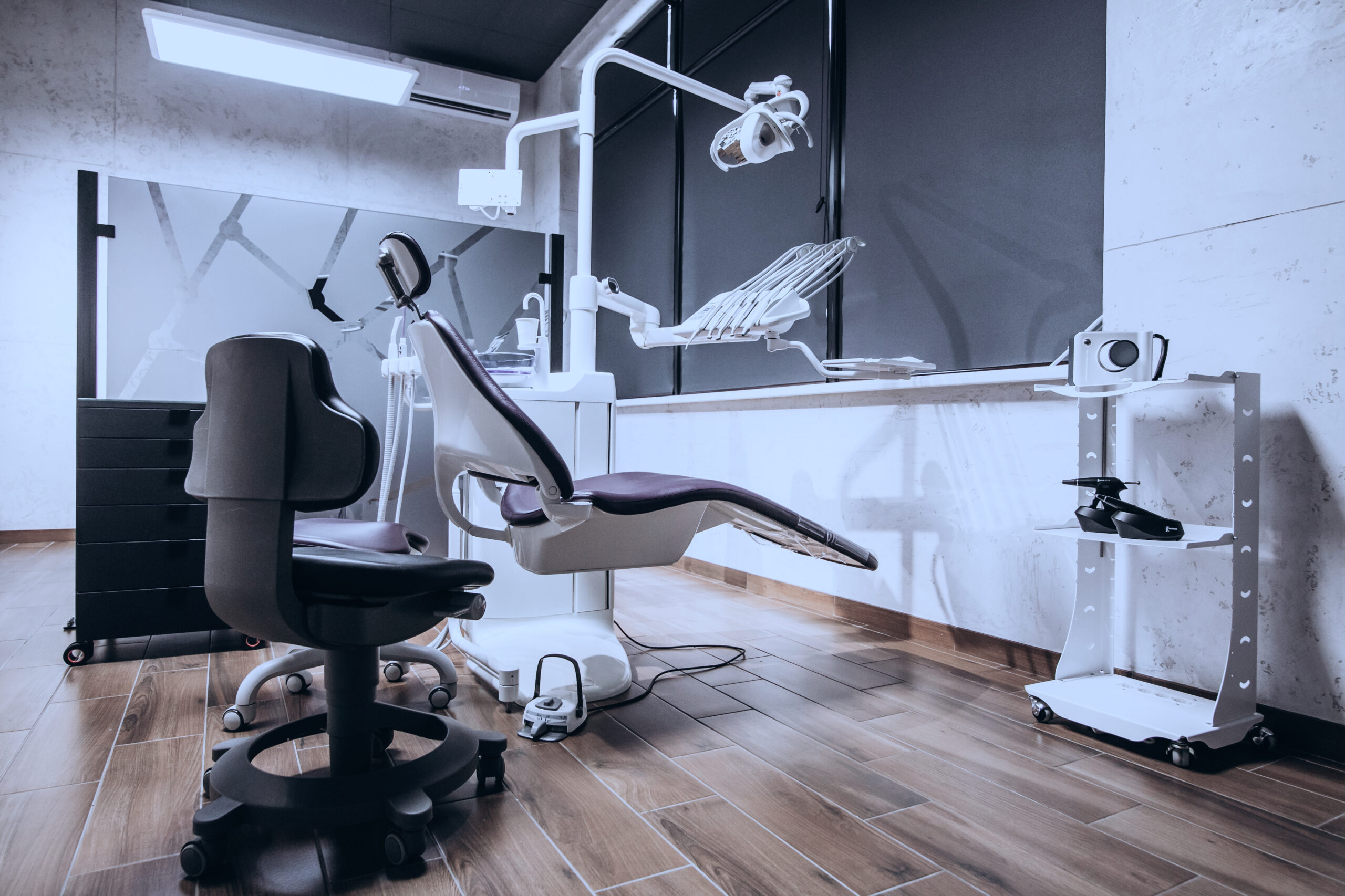
A no-show costs a dental practice more than one appointment fee. The chair sits empty, the clinician and nurse are still paid, and another patient who wanted that time may have been turned away. The good news is that most no-shows are predictable, and most of the causes sit inside your own booking and communication process.
This guide walks through why patients miss appointments, the systems that cut no-shows and late cancellations, how to fill the gaps that still appear, and how to measure whether it is working. It is written for principal dentists and practice managers who want fewer gaps without upsetting good patients.
To reduce dental no-shows, confirm every appointment with timely SMS and email reminders that ask for a reply, make rescheduling as easy as booking, explain your cancellation policy when the appointment is made, keep a short-notice list to fill gaps, and answer calls and messages fast, including after hours, so patients can change a booking instead of skipping it. Track no-shows by appointment type and patient so you fix the real cause.
Why patients miss dental appointments
Before choosing a fix, it helps to know what you are fixing. In most practices, missed appointments come from a handful of familiar causes:
- They forgot. The appointment was booked weeks or months ago, often at the end of a previous visit, and life moved on.
- Something came up and changing it felt hard. If the only way to reschedule is a phone call during business hours, some people simply do not show.
- Cost worries. A patient unsure what the visit will cost, or what their health fund will cover, may avoid the conversation altogether.
- Dental anxiety. Nervous patients sometimes book with good intentions, then lose their nerve as the day gets closer.
- Low perceived value. A routine check-up can feel optional if no one has explained why it matters for that patient.
Only some of these are about the patient. Several are about how easy the practice makes it to keep, change or understand an appointment. That is the part you control.
1. Build a reminder sequence that asks for a reply
A single reminder the day before is better than nothing, but it gives a patient almost no room to rearrange their day. A stronger sequence for most practices looks like this:
- At booking: a confirmation by SMS and email with the date, time, clinician, address and what the visit involves.
- A few days before: a reminder that asks the patient to reply to confirm or to reschedule.
- The day before: a short final reminder with parking or arrival details.
- For long or high-value appointments: a personal phone call from the front desk for anything that would be hard to fill at short notice.
The key word is reply. A reminder that asks for confirmation tells you who is coming and, just as usefully, who is not. Unconfirmed appointments can get a follow-up call before the gap becomes a no-show. Most practice management software can send automated reminders; the gain usually comes from setting the timing and wording deliberately rather than leaving the defaults in place.
2. Make rescheduling easier than not turning up
If changing an appointment means waiting on hold at 8am, some patients will take the easier option and just not come. Give people simple ways to move a booking:
- Reply by text to the reminder to ask for a new time.
- Online booking and rescheduling from your website, linked in every reminder.
- A chat option on your website that can handle booking changes at any hour.
- Phone calls that are actually answered, or returned quickly when the team is busy.
This is where many practices leak. Patients who try to change a booking after hours, or call while reception is with someone else, often give up. Our guide to missed calls and after-hours enquiries covers how to close that gap. An AI dental receptionist like DentaBot can reply instantly to booking and rescheduling requests 24/7, so a patient who wants to move their appointment at 9pm can do it then, instead of forgetting by morning.
Try to reschedule your own appointment tonight
After hours, on your phone, try to move a booking at your practice using only your website and your reminder message. If it takes more than a minute, or needs a phone call tomorrow, your patients are hitting the same wall.
3. Set a clear, fair cancellation policy
A cancellation policy works best as a communication tool, not a punishment. Patients are more likely to give notice when they know what you expect and why it matters.
- Explain it at booking, in plain words, and repeat it in the confirmation message.
- Say why: the time is reserved for them, and notice lets you offer it to someone who needs it.
- Be consistent but human. Emergencies happen. Many practices use discretion for genuine one-offs and keep firmer steps for repeat patterns.
- If you charge a fee or take a deposit, disclose it clearly in writing before the appointment is booked, so there are no surprises.
Fees and deposits are a business decision for each practice, and the right approach depends on your patients and appointment types. Whatever you choose, being transparent up front avoids complaints later.
4. Remove the reasons patients avoid the visit
Some no-shows are avoidance rather than forgetfulness. You can lower that barrier before the appointment:
- Cost clarity. Give a written estimate or treatment plan for anything beyond a routine visit, and explain what the patient should check with their health fund.
- Support for anxious patients. A short pre-visit message explaining what will happen, with an invitation to mention any nerves, can make the day feel less daunting.
- Explain the why. Patients keep appointments they understand. "Your six-monthly check-up and clean with your dentist" lands better than a generic appointment notice.
If your messages ever mention a service or an offer, they may count as advertising, so keep them within the AHPRA advertising rules for dentists. Avoid time-pressure offers or incentives designed to push people into treatment.
5. Fill the gaps that still appear
Even with good systems, some appointments will still fall through. The aim is to refill them quickly:
- Keep a short-notice list of patients happy to come in early, noting the times and treatments that suit them.
- Message the list straight away when a cancellation comes in, first in first served.
- Pre-book the next visit before the patient leaves, so the diary stays full further ahead.
- Keep new-patient demand steady so there are always people waiting for a time.
That last point is where marketing and no-show management meet. A practice with a steady flow of new enquiries from Google Ads for dentists and dental SEO can refill a cancelled slot far more easily than one relying on a thin recall list.
6. Make sure new patients arrive committed
New patients can be a higher no-show risk because they have no relationship with your practice yet. A lot of that is decided before they ever book:
- Clear expectations. Your website and ads should explain what the first visit involves and what it may cost, so the booking is an informed one.
- Fast response. A patient who gets an answer within minutes is more engaged than one who waited a day for a call back.
- A warm welcome sequence. Confirmation, directions, forms to complete in advance and a friendly reminder all build commitment.
Campaigns that chase the cheapest possible enquiry can fill the diary with people who were never likely to turn up. Well-targeted Meta Ads for dental practices that lead to a clear, honest dental website tend to attract patients who know what they are booking. Our No Leakage Ads Package tracks each enquiry through to a booked appointment, so you can compare campaigns on the patients they bring in, not just the clicks.
| Fix | What it solves | Effort |
|---|---|---|
| Reminder sequence that asks for a reply | Forgetting and unconfirmed bookings | Low, mostly settings and wording |
| Easy rescheduling by SMS, online and chat | Patients who skip rather than call | Low to medium |
| Clear cancellation policy | Late cancellations with no notice | Low |
| Cost and anxiety support | Patients avoiding the visit | Medium, needs team habits |
| Short-notice list | Gaps that still appear | Low |
| 24/7 AI receptionist | After-hours changes and enquiries | Medium, one-off setup |
How to measure progress
You cannot fix what you do not measure. Start with a simple monthly view from your practice management software:
- No-show rate: missed appointments divided by total booked appointments.
- Late cancellation rate: cancellations inside your notice period.
- Refill rate: how many cancelled slots were rebooked.
- Patterns: by appointment type, day, time, clinician, and new versus existing patients.
- Repeat misses: in many practices a few patients account for a noticeable share of no-shows, and they may need a different approach, such as a personal call before each visit.
Review the numbers monthly and change one thing at a time, so you know what made the difference.
Where AI fits
AI is not a replacement for a good front desk, but it handles the repetitive, round-the-clock parts of appointment management well: answering "can I move my booking?" at 10pm, collecting the details, and passing a clean request to the team in the morning. To see what else it can take off reception's plate, read how AI can help your dental clinic.
As a dental marketing agency that works only with dental practices, we often see the same pattern: practices spend to win new patients, then lose some of them to slow replies and bookings that are hard to change. Fixing no-shows protects the value of every patient your marketing brings in.
Want fewer empty chairs?
Book a free strategy call. We will look at how your practice handles enquiries, bookings and after-hours messages, and show you where appointments are slipping through.
Book your free strategy call
Thanks, we’ve got it.
Your enquiry is on its way to the Digital Smiles team. Want to skip the wait? Lock in a time for your strategy call right now.
Prefer we reach out? No problem, we’ll be in touch within one business day.